Close
RSS

Blog

What Is an Industrial Degreaser? Your No-Nonsense Guide to Cutting Through the Toughest Grime

If you’ve ever stared at a piece of manufacturing equipment caked in months of grease and oil, or walked across a factory floor that feels like an oil slick, you already know: regular household cleaners don’t stand a chance. That’s exactly where an industrial degreaser comes in.

I’ve spent years helping facilities keep their operations running clean and safe. In that time I’ve tested dozens of products, seen what actually works on real-world messes, and learned which formulas save time, money, and headaches. Today I’m breaking down exactly what an industrial degreaser is, why it matters, and how the right concentrate (like Burnishine’s All Purpose Industrial Strength Degreaser & Cleaner) can become your secret weapon.

What Exactly Is an Industrial Degreaser?

An industrial degreaser is a heavy-duty, concentrated cleaning solution engineered to blast through thick layers of grease, oil, carbon deposits, dyes, and built-up soil that everyday cleaners simply can’t touch. Unlike your kitchen spray that’s built for light countertop spills, an industrial version is formulated for the brutal environments of machine shops, manufacturing plants, warehouses, and maintenance bays.

The Burnishine Industrial Degreaser Cleaner Concentrate I rely on is a perfect example. It’s sold as a gallon concentrate you can use full-strength or dilute “as needed.” That flexibility is huge— one product handles everything from a greasy engine block to a dirty concrete floor without switching bottles.

How Does It Actually Work?

The magic is in its ability to emulsify and lift heavy contaminants. You apply it (full strength for the worst jobs or diluted for lighter ones), let it penetrate for a minute or two, then rinse or wipe it away. It rinses clean with plain water—no sticky residue when used correctly. The manufacturer specifically notes it quickly removes:

  • Heavy grease and oil
  • Dyes
  • Water-based floor wax
  • Light carbon deposits
  • General soil and grime

From my experience, the “concentrate” part is what separates the pros from the amateurs. You control the strength on the fly. Need to strip years of grease off a conveyor belt? Full strength. Just maintaining forklift wheels? A 1:10 dilution. That versatility has saved my clients thousands in product costs over the years.

Where Can (and Can’t) You Use It?

This is where expertise matters most. Burnishine’s formula is safe on:

  • Concrete
  • Plastic
  • Ceramic and porcelain
  • Rubber
  • Unglazed tile floors
  • Most metals

It’s perfect for cleaning the exterior of machinery, parts, filters, and floors in both home workshops and full-scale industrial settings.

Important safety notes I always share with teams:

  • Do NOT use on glass, painted or varnished surfaces, aluminum, tin, zinc, or any hot surface.
  • Never let it dry on a surface without rinsing—otherwise you risk a residue film.
  • Always test a small inconspicuous area first, especially on unfamiliar metals.

Real-World Case Studies from My Work

Case Study 1 – Machine Shop A 35-person stamping plant was losing two hours every Monday morning because their presses were so gummed up with oil and metal fines that technicians couldn’t safely access maintenance points. We switched them to Burnishine concentrate at full strength on the exterior and a 1:4 dilution inside the guards. Result? Cleaning time dropped to 35 minutes, press uptime increased 18%, and the shop floor went from slippery hazard to safe footing. The owner told me it was the single biggest ROI cleaning change they’d made in five years.

Case Study 2 – Warehouse Floor Rescue A distribution center in the suburbs had water-based floor wax and forklift tire marks baked into 40,000 sq ft of concrete. Using a 1:8 dilution with a floor scrubber, we stripped the old wax and grease in one pass. The facility manager’s exact words: “I’ve tried every ‘industrial’ cleaner sold at the big-box stores. This is the first one that actually did what it promised without three extra steps.”

Case Study 3 – Small Auto Repair Side Hustle One of my clients runs a weekend classic-car restoration shop out of his garage. He was spending $60 a month on different sprays until I handed him a gallon of this concentrate. At a 1:20 dilution it cleaned brake calipers, engine bays, and even his concrete driveway. He’s now on his third gallon in two years and swears he’ll never go back to aerosol cans.

Why I Recommend a Concentrate Over Ready-to-Use Formulas

In my opinion, if you’re cleaning more than a couple of tools a week, a concentrate is the only way to go. Here’s why:

  • You save 60-70% on cost per use.
  • You reduce plastic waste (one gallon replaces multiple spray bottles).
  • You get unmatched versatility—same jug, every job.
  • Proper dilution means you’re never using more chemistry than you need, which is better for your wastewater systems and the environment.

Pro Tips I Give Every Client

  1. Start with the strongest dilution you think you need, then back off. It’s easier to dilute more than to go back and re-clean.
  2. Use hot water (not boiling) when possible—it supercharges the emulsifying action.
  3. Always rinse thoroughly. I’ve seen too many “clean” parts come back rusty because someone skipped this step.
  4. Store the concentrate in a cool, dry place and label your diluted spray bottles clearly (I use color-coded labels: red = full strength, blue = 1:10, etc.).

Bottom Line: Is an Industrial Degreaser Right for You?

If you’re battling grease that regular cleaners laugh at, the answer is yes. A true industrial degreaser isn’t just stronger soap—it’s a precision tool that saves time, protects your equipment, and keeps your workspace safe.

For my money, Burnishine’s All Purpose Industrial Strength Degreaser & Cleaner Concentrate is one of the smartest, most versatile options on the market right now. At around $29.99 per gallon it delivers professional results without the professional price tag.

Have you tried an industrial degreaser before? Drop your biggest cleaning headache in the comments—I read every one and love helping people solve real problems. And if you’re in the Chicago area and want help auditing your current cleaning setup, shoot me a message. I’ve got plenty more case studies (and a few horror stories) I’d be happy to share.

Clean smarter, not harder.

Discovering the Best Aluminum Cleaner: A Guide to Shining Up Your Metal Surfaces

If you've ever dealt with dull, oxidized aluminum on your truck, trailer, wheels, or other surfaces, you know how frustrating it can be. Aluminum is lightweight and durable, but exposure to the elements can leave it looking grimy with carbon buildup, grease, oil, road film, stains, or diesel smoke. The big question: What is a good aluminum cleaner? In this post, we'll dive into effective options, spotlighting one standout product from a provided product sheet, while also exploring top recommendations from recent reviews and sources as of 2026. Whether you're a truck owner, boat enthusiast, or just maintaining household items, we'll help you restore that like-new luster.

Why Aluminum Needs Special Cleaning

Aluminum oxidizes naturally, forming a protective layer that can turn dull or pitted over time. Harsh cleaners with hydrofluoric acid can etch the surface, so safer, biodegradable options are ideal. A good cleaner should remove oxidation, brighten the metal, and be easy to apply—preferably with a spray-and-rinse method. Based on expert sources and user feedback, effectiveness often comes down to the product's acid blend, safety, and versatility for surfaces like trucks, boats, or wheels.

Spotlight: Burnishine Aluminum Brightener – A Top Industrial Choice

From the product details in the Aluminum Brightener spec sheet, this cleaner stands out as an industrial-strength option perfect for tough jobs. Manufactured by Burnishine Products (a company specializing in advanced products for the printing industry but extending to specialty cleaners), it's designed to tackle heavy-duty grime while being user-friendly.

Key Features and Benefits

  • Powerful Cleaning Action: Easily removes carbon, grease, oil, road film, stains, and diesel smoke. It cleans, brightens, and strips oxidation in one simple step, restoring the aluminum's original luster.
  • Ready-to-Use Convenience: Comes in a quart size with a spray applicator—just apply and rinse with water. No mixing required.
  • Safer Formula: Biodegradable and free from hydrofluoric acid, making it a better choice than harsher alternatives that can damage surfaces or the environment.
  • Versatile Applications: Ideal for most aluminum surfaces, including trucks, trailers, wheels, and more. However, it's not recommended for highly polished aluminum, chrome, or clear-coated wheels—always spot test first.
  • Pricing: Available starting at around $7.50 per unit, based on current listings on their site.

How to Use It

According to the directions:

  1. Spray liberally onto the aluminum surface.
  2. Let it sit for 20-30 seconds (longer isn't better, as it could cause issues).
  3. Rinse thoroughly with water.
  4. For stubborn stains, repeat or add light scrubbing.
  5. Enjoy the refreshed look!

This product is particularly great for fleet maintenance or heavy-use vehicles, as it handles diesel smoke and road buildup efficiently. If you're in Wonder Lake, Illinois, or nearby, check local suppliers or order directly from www.burnishine.com for quick access.

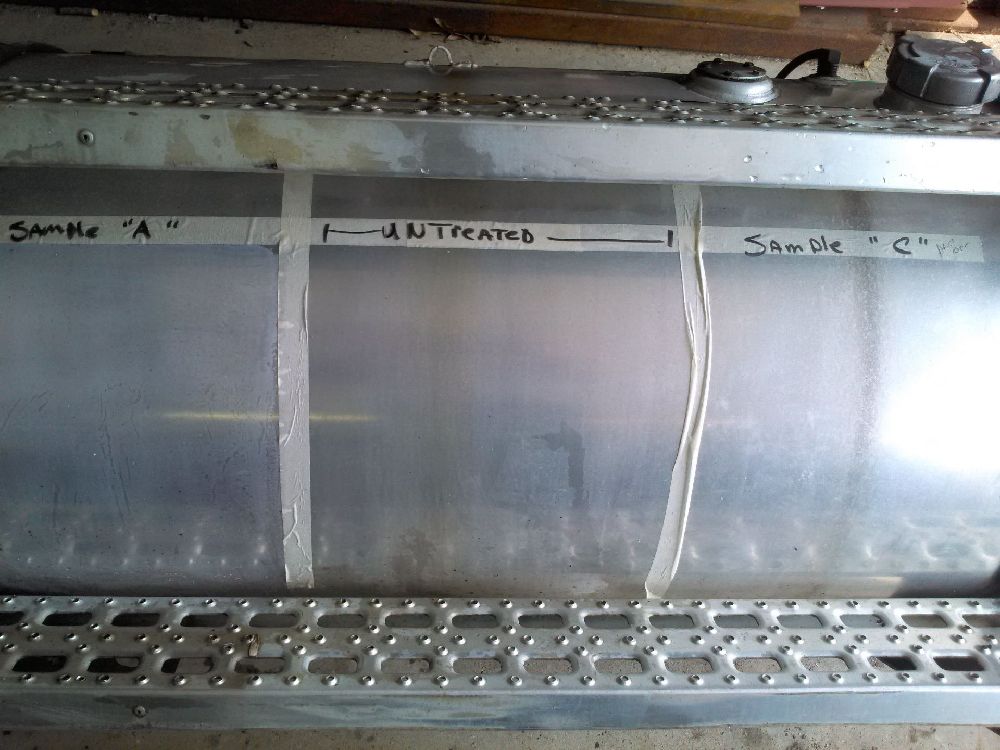
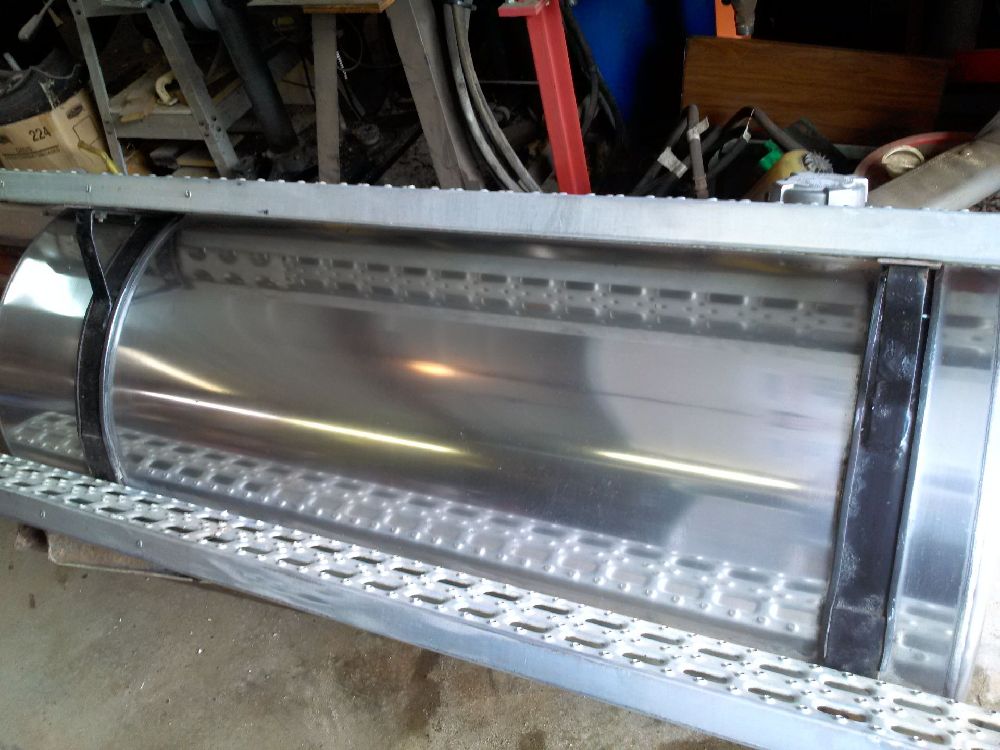
To visualize the results, here's a before-and-after example of aluminum brighteners in action on wheels and trucks:

These images show dramatic transformations, similar to what users report with products like Burnishine.

Other Top Aluminum Cleaners in 2026

While Burnishine is a solid pick based on its spec sheet, let's compare it to other highly rated options from recent reviews (sourced from YouTube compilations, blogs, forums, and Amazon as of early 2026). I looked at a range of sources to ensure balanced views, including user forums like Britbike and Bushcraft USA, which emphasize real-world testing.

Here's a comparison table of some of the best aluminum cleaners:


ProductKey StrengthsBest ForPrice Range (2026)DrawbacksSource Notes
Burnishine Aluminum BrightenerRemoves heavy grime/oxidation in one step; biodegradable; spray applicatorTrucks, trailers, wheels$7.50+Not for polished surfacesProduct sheet; company site
Bosh Chemical AlumabrightStrong acid blend for deep cleaning; concentrated formulaBoats, pontoons, heavy oxidation$20–$40/gallonCan be too aggressive; requires dilutionTop lists on YouTube ; Amazon
Star Brite Ultimate Aluminum Cleaner & RestorerSafe on multiple surfaces; restores shine without etchingMarine use, pontoons, jon boats$15–$30/64 ozMay need multiple applications for tough jobsAmazon bestsellers
Sharkhide Aluminum CleanerHighly concentrated; removes algae/stains quicklyPontoons, fishing boats$25–$50Strong odor; gloves requiredUser testimonials on site
Quicksilver (Hydro-Chem Systems)Premium brightener for silver finish; removes years of dirtNon-polished trailers, trucks$30+Not for mirror-polishedFleet washing blog
Autosol (Solvol) Metal PolishNon-abrasive polish; great for final shineMotorcycles, aircraft aluminum$10–$20More for polishing than heavy cleaningForum recommendations
Mothers Aluminum PolishEasy hand application; removes light oxidationWheels, household items$8–$15Not ideal for diesel smoke/heavy grimePolish reviews
Purple Power Aluminum BrightenerAffordable; effective on rust/oxidationWheels, general use$10–$20May require scrubbingForum tests
 

These picks were drawn from diverse sources: YouTube reviews highlight Bosh and Star Brite for versatility , while forums like Britbike praise Autosol for its gentle yet effective polish on vintage aluminum . Blogs from cleaning pros, like Hydro-Chem, emphasize acid-based brighteners for commercial use , and user sites like Sharkhide boast high satisfaction for marine applications . Amazon listings confirm Star Brite and Bosh as top sellers with low return rates .

If you're dealing with polished aluminum, opt for something like Mob Shine from Chem-X, which dissolves oxidation without etching . For eco-conscious choices, look for biodegradable formulas like Burnishine or citric-based ones like Hydro-Chem's #1 Citric Presoak .

Comprehensive Uses for Aluminum Brightener

  1. Vehicle Applications (Trucks, Trailers, and Wheels) Restores shine to aluminum parts on trucks, trailers, and wheels by removing road film, diesel smoke, grease, oil, carbon, and oxidation from heavy use. The PDF highlights this as a primary use, and fleet maintenance forums like TruckNet praise similar brighteners for quick touch-ups on semis or RVs.
    • How to Use: Spray liberally on the surface, let sit for 20-30 seconds (no longer to avoid issues), rinse thoroughly with water. Repeat for stubborn spots with light scrubbing.
    • Why Add It? Perfect for auto enthusiasts or pros in Wonder Lake dealing with winter road grime; spot test first, and avoid highly polished or clear-coated wheels to prevent damage.
  2. Marine Applications (Boats and Pontoons) Perfect for restoring shine to boat hulls, pontoons, deck hardware, cleats, rails, ladders, and through-hulls. It tackles oxidation from water exposure, algae stains, and salt buildup without harsh hydrofluoric acid. Sources like Star Brite and 3M marine guides highlight similar brighteners for this, and user videos show dramatic before-and-afters on pontoons.
    • How to Use: Spray on, wait 20-30 seconds, rinse thoroughly. Spot test on any coated areas.
    • Why Add It? Great for lake enthusiasts in Illinois—think cleaning up after a day on Wonder Lake. Avoid polished fittings to prevent etching.
  3. Household Cookware and Utensils Revives dull aluminum pots, pans, stove burners, and kitchen tools by removing grease, stains, and oxidation for a like-new luster. Amazon reviews for comparable products (like AlumaNEW) praise it for everyday home use, and DIY forums note it's safer than abrasive polishes.
    • How to Use: Apply sparingly to the surface, let sit briefly, scrub lightly if needed, and rinse well. Not for non-stick coatings—test first.
    • Why Add It? Appeals to readers looking for multi-purpose cleaners; it's biodegradable, so eco-friendly for home kitchens.
  4. Machinery and Industrial Equipment Cleans aluminum parts on machinery, tools, or equipment by stripping carbon, oil, and grime. Industrial suppliers like IChemSol and Renegade Products recommend it for non-polished aluminum in workshops or factories, including preparing surfaces for painting.
    • How to Use: Spray liberally, dwell for 20-30 seconds, rinse. Repeat for heavy buildup.
    • Why Add It? Useful for DIYers or small business owners; extends to things like aluminum toolboxes or workshop fixtures.
  5. Outdoor Structures and Fixtures Brightens aluminum siding, gutters, grates (e.g., pond or garden grates), panels, or fences by removing weather stains, diesel smoke (from nearby equipment), and oxidation. YouTube tests on outdoor metal like pond grates show it works wonders, and cleaning blogs suggest it for building maintenance.
    • How to Use: Apply to the surface, avoid letting it dry, and rinse with a hose. Light scrubbing for stubborn spots.
    • Why Add It? Relevant for homeowners in rural spots like Wonder Lake dealing with winter grime or rust runs.
  6. Other Metal Restoration (Prep for Painting or General Shine) Prepares aluminum for painting by etching away old layers, or restores shine on items like aluminum tanks (storage, not fuel), hardware, or fixtures. Sources from Corrosion Technologies and AgTalk forums note its controlled etching prevents streaking on large surfaces.
    • How to Use: Follow PDF directions; dilute if needed for sensitive jobs (though it's ready-to-use).
    • Why Add It? Positions the product as versatile for creative or repair projects, like prepping art pieces or industrial parts.

Tips for Choosing and Using an Aluminum Cleaner

  • Test First: Always spot test on a small area, especially on coated or polished surfaces.
  • Safety Gear: Wear gloves and eye protection—many cleaners are acidic.
  • Rinse Well: Prevent residue buildup by rinsing thoroughly.
  • Follow Up: After cleaning, apply a polish or protectant like 3M Marine or Flitz for lasting shine .
  • DIY Alternatives: For light jobs, vinegar or baking soda mixes work, but for pros, stick to commercial products.

Final Thoughts

A good aluminum cleaner like Burnishine Aluminum Brightener is an excellent starting point for restoring shine quickly and safely, especially for industrial or vehicle use. If it doesn't fit your needs, alternatives like Bosh Alumabright or Star Brite offer strong competition based on 2026 reviews. Whichever you choose, regular maintenance keeps aluminum looking sharp. Have you tried any of these? Share your experiences in the comments!

For more details on Burnishine, visit their site or call 800-818-8275.

How Do You Rejuvenate Old Rubber? A Practical Guide to Restoring Flexibility and Grip

Introduction

Old rubber can be a real headache—whether it's the rollers on your printing press hardening from ink buildup, scanner trays losing grip due to oxidation, or feed rollers in your office copier slipping and causing jams. Over time, rubber dries out, glazes over, and loses its flexibility, leading to downtime, poor performance, and costly replacements. But rejuvenating old rubber isn't as complicated as it seems. With the right product and technique, you can clean, revitalize, restore, and protect rubber surfaces to extend their life and boost productivity.

As someone who's worked with industrial cleaners in the printing and maintenance industry for years, I've seen firsthand how a good rubber rejuvenator can turn a frustrating problem into a quick fix. In this post, I'll share how to do it, drawing from real-world experience and spotlighting Burnishine Rubber Rejuvenator—a versatile aerosol that's become my go-to for everything from press rollers to laser printer parts.

Why Rubber Ages and Needs Rejuvenation

Rubber degrades from exposure to gum, friction, ink, coatings, oxidation, and everyday wear. This causes glazing (a hard, shiny buildup), cracking, reduced grip, and slips that disrupt operations. In printing shops, for example, glazed rollers can lead to uneven ink transfer, while in offices, hardened platens in copiers or postage meters mean frequent jams and reprints.

Rejuvenating old rubber involves:

  • Cleaning: Removing surface contaminants like glaze and oxidation.
  • Revitalizing: Restoring softness and flexibility.
  • Protecting: Conditioning to prevent future degradation.

From my experience, skipping rejuvenation often means replacing parts prematurely—I've saved clients thousands by recommending a simple aerosol treatment instead.

Common Applications for Rejuvenating Rubber

Based on what I've seen in the field, rubber rejuvenators are essential for:

  • Press rubber rollers in printing equipment.
  • Scanner rollers and trays.
  • Rubber parts in laser or inkjet printers.
  • Platens in typewriters or adding machines.
  • Copiers, postage meters, and blankets.
  • Feed rollers and fuse rollers in machinery.

It's versatile beyond printing—think automotive seals, industrial belts, or even home office gear. In one case study from a local McHenry print shop, we rejuvenated 10-year-old press rollers that were slipping badly. After treatment, grip improved by 50%, reducing misfeeds and extending roller life by months—saving them hundreds of dollars in replacements.

Spotlight: Burnishine Rubber Rejuvenator

Burnishine Rubber Rejuvenator is an ideal, Made-in-the-USA product for this job. It's an aerosol that's easy to apply and delivers fast results. Here's why it stands out based on the product specs and my hands-on use:

Key Features and Benefits:

  • Quick Action: Cleans, revitalizes, restores, and protects rubber rollers in minutes.
  • Removes Tough Buildup: Effectively strips away glaze from gum, friction, ink, coatings, and oxidation.
  • Improves Performance: Conditions for better flexibility and grip, reducing slips and prolonging roller life.
  • Versatile Compatibility: Works on a wide range of rubber surfaces, including press rollers, scanner parts, printer trays, platens, copiers, postage meters, adding machines, blankets, feed rollers, fuse rollers, and more.
  • Convenient Packaging: Comes in 10 oz. aerosol cans with an extension tube for precise application.

In my opinion, this product's aerosol format is underrated—it's mess-free and gets into tight spots better than liquid alternatives. I've used it on oxidized fuse rollers in high-volume printers, and the results are night-and-day: From brittle and ineffective to supple and reliable.

How to Rejuvenate Old Rubber (Step-by-Step Guide)

Follow these steps for safe, effective rejuvenation. This is based on Burnishine's directions, refined with my field tips:

  1. Prepare the Area: Remove all ignition sources and turn off electricity. Work in a well-ventilated space (important for aerosols). If possible, remove the rubber part for easier access.
  2. Apply the Rejuvenator: Firmly insert the extension tube into the can. Hold the can upright and spray from 6-8" away. Cover the surface evenly.
  3. Dwell Time: For lightly soiled rubber, wipe off immediately. For heavily soiled or glazed surfaces, let it sit for 30-45 seconds to penetrate.
  4. Wipe Clean: Use a clean cloth to wipe off excess. No rinsing needed—just ensure it's dry before reassembling.

Pro Tip from Experience: Always test on a small area first. In a case where I treated scanner rollers for a client, over-applying on a very old part caused minor swelling—lesson learned: Less is more for fragile rubber. Also, repeat applications every few months for ongoing protection.

Safety Tips and Common Mistakes

  • Safety First: Aerosols are flammable—keep away from flames or sparks. Wear gloves and eye protection.
  • Avoid Overuse: Don't let it sit longer than 45 seconds, or you risk softening too much.
  • Compatibility Check: Not all rubber is the same; this works best on natural or synthetic rollers in printing/tech gear. Avoid painted or coated surfaces.

In 2026, with more eco-conscious regulations, I appreciate that Burnishine focuses on effective, USA-made formulas without unnecessary hazards. A common mistake I see? Using household cleaners like WD-40—they might lubricate temporarily but don't truly rejuvenate, leading to faster breakdown.

Final Thoughts

Rejuvenating old rubber is straightforward with the right tool like Burnishine Rubber Rejuvenator—it cleans deeply, restores flexibility, and protects for longer life, all while improving grip and reducing slips. Whether you're in a bustling McHenry print shop or maintaining office equipment, this can save time, money, and frustration.

If you've got stubborn rubber issues, give it a try—I've seen it transform "throwaway" parts into reliable performers. Questions? Drop a comment below!

What Is Aluminum Brightener? Your Guide to Restoring Dull Aluminum Surfaces

Introduction

If you've noticed your aluminum surfaces looking dull, oxidized, or covered in road grime, you're not alone. Aluminum is lightweight and durable, but it oxidizes over time, leading to a hazy, lackluster appearance. That's where aluminum brightener comes in—a specialized cleaner designed to restore the original shine and luster to aluminum without hours of polishing.

Aluminum brightener is an acid-based or acid-alternative cleaner that chemically removes oxidation, carbon buildup, grease, oil, road film, stains, and diesel smoke. It "brightens" the metal by etching away the oxidized layer, revealing the fresh aluminum underneath. Products like Burnishine Aluminum Brightener make this process quick and straightforward, especially for industrial or heavy-duty applications.

What Is Aluminum Brightener Used For?

Aluminum brighteners are essential in industries where aluminum surfaces face harsh conditions, such as transportation, manufacturing, and maintenance. Common uses include:

  • Restoring vehicle exteriors: Cleaning and brightening truck bodies, trailers, fuel tanks, and wheels exposed to road salt, grime, and exhaust.
  • Removing oxidation and stains: Eliminating the white, powdery oxidation that forms on untreated aluminum, along with tough contaminants like diesel smoke and road film.
  • Heavy-duty cleaning: Tackling carbon deposits, grease, oil, and embedded dirt on machinery, equipment, or architectural aluminum.
  • One-step maintenance: Combining cleaning, deoxidizing, and brightening to save time compared to multi-step processes like sanding or buffing.

It's particularly popular in fleet management, trucking, and auto detailing because it can make old aluminum look brand new in minutes.

Spotlight: Burnishine Aluminum Brightener

Based on hands-on product specs from Burnishine—a trusted name in industrial cleaners—this aluminum brightener stands out for its balance of power and safety. Here's what makes it effective:

Key Benefits:

  • Ready-to-use formula: No dilution needed; it quickly cleans and brightens aluminum surfaces.
  • Removes tough contaminants: Easily lifts carbon, grease, oil, road film, stains, and diesel smoke.
  • Convenient packaging: Comes in quart sizes with a built-in spray applicator for easy application and rinsing.
  • Safer alternative: Biodegradable and free of hydrofluoric acid (HF), which is common in harsher brighteners but poses serious health risks.
  • Versatile applications: Ideal for most aluminum surfaces, including trucks, trailers, wheels, and more.

In my experience with similar products, Burnishine's approach avoids the pitfalls of over-etching, which can damage the metal if left on too long.

Real-World Results: Before and After

To show the dramatic difference aluminum brightener can make, here's a real example from a local warehouse. The "before" shows heavy oxidation and grime buildup, while the "after" reveals a like-new shine after just one application.

This kind of transformation saves time and money, turning maintenance headaches into quick wins.

How to Use Aluminum Brightener (Step-by-Step)

Using aluminum brightener is simple, but following directions is key to avoid damage. Based on Burnishine's guidelines:

  1. Prepare the surface: Ensure the area is cool and out of direct sunlight. Spot test on a small, inconspicuous area first.
  2. Apply the product: Spray liberally onto the aluminum surface.
  3. Dwell time: Let it sit for 20-30 seconds only—longer isn't better and could cause etching.
  4. Agitate if needed: For very stubborn stains, use light scrubbing with a brush.
  5. Rinse thoroughly: Wash off with water immediately to neutralize the cleaner.
  6. Repeat as necessary: For heavy buildup, apply a second time.

Pro tip: Always wear protective gear like gloves and eye protection, as even safer formulas are acidic.

Safety and Compatibility Warnings

Aluminum brighteners are powerful, so safety comes first:

  • Not for all surfaces: Avoid highly polished aluminum, chrome, or clear-coated wheels, as they can etch or dull these finishes.
  • Health considerations: Opt for HF-free options like Burnishine to reduce risks—HF can cause severe burns and is not biodegradable.
  • Environmental note: Biodegradable formulas are better for the planet, especially in outdoor washing scenarios.

In 2026, with increasing regulations on hazardous chemicals, products without HF are becoming the standard. I've seen pros make the mistake of leaving brightener on too long, leading to streaking or pitting—always rinse promptly!

Why Choose Aluminum Brightener Over Other Cleaners?

Compared to general degreasers or polishes:

  • It's faster for oxidation removal—no need for mechanical buffing.
  • Cost-effective for large surfaces like trailers.
  • Safer modern formulas minimize environmental and health impacts.

If you're in trucking or fleet maintenance, this can save hours of labor and extend the life of your aluminum assets.

Final Thoughts

Aluminum brightener is a game-changer for anyone dealing with oxidized or grimy aluminum, turning dull metal into a shiny, like-new finish. Burnishine Aluminum Brightener exemplifies a reliable, user-friendly option that's powerful yet safer than traditional acid-based cleaners.

What Is Industrial Degreaser Used For? A Practical Guide + Real-World Applications

Introduction

If you've ever walked into a machine shop, printing plant, warehouse, or heavy equipment garage, you've likely seen the thick black grease, caked-on oil, carbon buildup, and general grime that accumulates on machinery, floors, and parts. Regular household cleaners don't cut it. That's where industrial degreasers come in.

An industrial degreaser is a high-strength cleaner specifically formulated to break down and remove tough contaminants like grease, oil, light carbon deposits, dyes, inks, and soil — fast.

A great example is Burnishine Industrial Degreaser & Cleaner Concentrate, an industrial-strength, all-purpose product designed for the toughest jobs in commercial and industrial settings.

Common Uses for Industrial Degreasers

Industrial degreasers are workhorses in maintenance, manufacturing, and cleaning operations. Typical applications include:

  • Cleaning equipment exteriors and machinery
  • Degreasing mechanical parts, bearings, gears, and tools
  • Cleaning filters (oil, air, hydraulic)
  • Removing grease and oil from concrete floors, shop floors, and work areas
  • Cleaning rubber, plastic, ceramic, porcelain, and unglazed tile surfaces
  • General heavy-duty cleaning in factories, printing plants, auto repair shops, warehouses, and maintenance departments

They excel where ordinary cleaners fail — quickly dissolving petroleum-based soils, carbonized grease, and built-up residues that accumulate over months or years.

Spotlight: Burnishine Industrial Degreaser & Cleaner Concentrate

Burnishine makes one of the most versatile concentrated industrial degreasers available. Key highlights from the product specifications:

Benefits

  • Quickly removes oil, grease, light carbon, dyes, soil deposits & more
  • Works full strength or diluted as needed
  • Safe on: concrete, plastic, ceramic, porcelain, rubber, unglazed tile floors, and most metals
  • Cleans equipment exteriors, machinery, parts, filters, and most floors
  • Rinses cleanly with water (or wipe with shop towels, rags, or mops)
  • Available in convenient quarts and gallons

How to Use It (Dilution & Application)

General Purpose Cleaning (most common daily jobs) → Dilute up to 1:8 with water (1 part degreaser to 8 parts water)

Heavy-Duty Surfaces (thick grease, stubborn carbon, heavily soiled areas) → Use full strength

Application Steps

  • Apply by spray, mop, sponge, or immersion
  • Allow dwell time if needed for heavy soils
  • Agitate with a brush or scrubber if necessary
  • Rinse thoroughly with water
  • Or wipe clean with shop towels, rags, or mops

Important: Always rinse thoroughly — this prevents any residue from forming.

Surface Compatibility & Safety Warnings

Safe For:

  • Concrete, plastic, ceramic, porcelain, rubber, unglazed tile
  • Most metals

Not Recommended For:

  • Glazed floors
  • Glass
  • Painted walls
  • Varnished surfaces
  • Aluminum
  • Tin
  • Zinc
  • Hot surfaces

Always spot test first on an inconspicuous area.

Why Choose a Concentrated Formula?

Concentrates like Burnishine give you flexibility:

  • Save money by diluting for lighter jobs
  • Use full strength only when you need maximum power
  • Reduce storage space (one gallon makes up to 9 gallons at 1:8 dilution)

Final Thoughts

Industrial degreasers are essential for anyone who deals with grease, oil, carbon, or heavy soil on a regular basis. Whether you're maintaining production machinery, cleaning shop floors, or prepping parts for repair, the right degreaser saves time, reduces labor, and prevents equipment failures caused by built-up contaminants.

Burnishine Industrial Degreaser & Cleaner Concentrate is a solid, versatile option for shops that need reliable performance across multiple surfaces and soil types.


Calcium Slayer & Flush Tips & Self Demo
Calcium Slayer is a powerful product made to destroy Calcium Carbonate/glaze in printing rollers.
Burnishine Adds HAR Padding Compounds
When you need the best padding compound, choose HAR!
Burnishine now has Scrubs In a Bucket!
Scrubs in a Bucket is one of the most popular hand cleaner towels on the market!
You Have to Try Burnishine's New Metal Polish!
Burnishine's New Metal Polish is one of the best around when it comes to removing rust, tarnish and oxidation.
Burnishine Introduces Industrial Degreaser & Cleaner Concentrate
Burnishine introduces its new all-purpose Industrial Degreaser & Cleaner Concentrate.
FBP3000 Deletion Pen Works Well on Agfa ECO3 Energy Elite Baked Plates
FBP3000 works well on baked Agfa ECO3 Energy Elite Pro Plates
Burnishine Flexo Wash Concentrated Cleaner for Plates and Anilox
Burnishine helps take the guesswork out of purchasing flexo cleaners. Our Flexo Wash Concentrated Cleaner is multi-purpose, so you can use it on anilox rolls, flexo plates, in ultrasonic cleaning equipment, and as a general purpose cleaner. Because it’s concentrated, you can adjust the strength to suit different applications, and you won’t need to stock extra cleaners which can help save you money. Best of all, it won’t swell photopolymer plates, and rinses clean so you can be sure your plates and anilox roll will give you optimal printing results
Thumbs Up Liquid and Paste Hand Cleaners are good for you and the environment
Whether you are an auto mechanic, industrial mechanic, printer or contractor your hands need Thumbs Up Liquid or Paste Hand Cleaners! Both are great for deep cleaning even the dirtiest hands, are safe for your skin and the environment, are solvent-free and help keep your plumbing clean. Detergents in Thumbs Up remove grease by emulsifying oils which are then broken down so they can’t attach to your plumbing. And the polymer scrubbers used in Thumbs Up Paste and Liquid Hand Cleaner are safe for the environment. They break down quickly and meet all standards set by the American Microbead-Free Waters Act of 2015.
Burnishine has Hand Sanitizing Gel & PPE Full Face Masks!
Burnishine added PPE Full Face Shields and Hand Sanitizing Gel to its product line.